
Achaemenid Empire: The Rise and Legacy of Persia’s First Great Dynasty

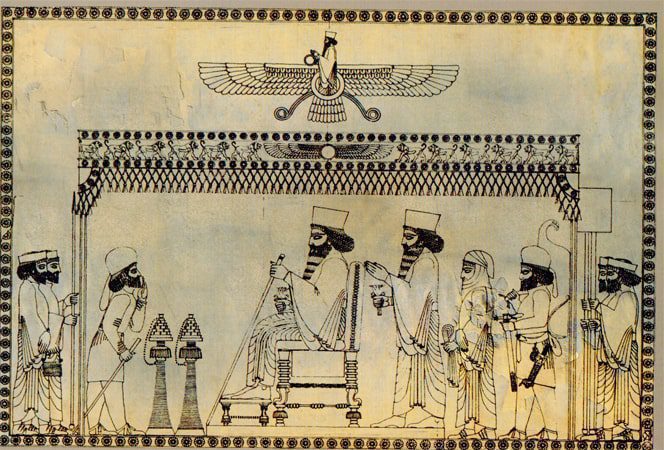
The Achaemenid Empire: Persia’s First Great Empire
The Achaemenid Empire, founded by Cyrus the Great in the 6th century BCE, was the first Persian empire and one of the largest in ancient history. Spanning three continents—Asia, Africa, and Europe—it left a lasting legacy in governance, culture, architecture, and military organization. Renowned for its tolerance of diverse peoples and religions, the empire became a model for future civilizations.
The Rise of Cyrus the Great
Cyrus II, later known as Cyrus the Great, united the Persian tribes and defeated the Median Empire, laying the foundation for Achaemenid rule. His conquests expanded the empire to include Lydia, Babylon, and beyond, earning him a reputation as both a skilled diplomat and a formidable military leader. Cyrus’s respect for local customs and religions fostered loyalty and stability across the empire.
Governance and Administration
The Achaemenids implemented an advanced administrative system that allowed the empire to function efficiently despite its vast size. The empire was divided into provinces called satrapies, each governed by a satrap responsible for collecting taxes and maintaining order. A sophisticated network of roads, including the Royal Road, facilitated communication, trade, and governance across thousands of miles.
Culture and Religion
Religious tolerance was a hallmark of Achaemenid rule. While Zoroastrianism was the dominant faith, other religions—including Judaism and local cults—were respected. The empire became a melting pot of languages, cultures, and traditions, fostering remarkable artistic and architectural achievements. Iconic palaces, reliefs, and monumental structures in Persepolis and Susa exemplify this cultural richness.
Military Power and Expansion
The Achaemenid military was highly organized and included elite units such as the Immortals, a 10,000-strong force symbolizing the empire’s strength. Cavalry, archers, and infantry coordinated in campaigns that enabled territorial expansion while maintaining internal stability. The empire’s military efficiency helped it withstand revolts and defend its vast borders for centuries.
Decline and Enduring Legacy
Despite its power, the Achaemenid Empire eventually fell to Alexander the Great in 330 BCE. However, its influence endured. The empire’s concepts of governance, infrastructure, and cultural inclusivity inspired subsequent civilizations, from the Seleucids to the Romans. Today, the Achaemenid Empire remains a celebrated symbol of Persian ingenuity, statecraft, and cultural achievement.
Conclusion
The Achaemenid Empire was far more than a realm of conquest; it represented administrative brilliance, religious tolerance, and architectural mastery. Its legacy continues to influence modern governance, art, and historical scholarship, highlighting Persia’s extraordinary contribution to world history.

 All products

