
History of Iran (Persian Empire)

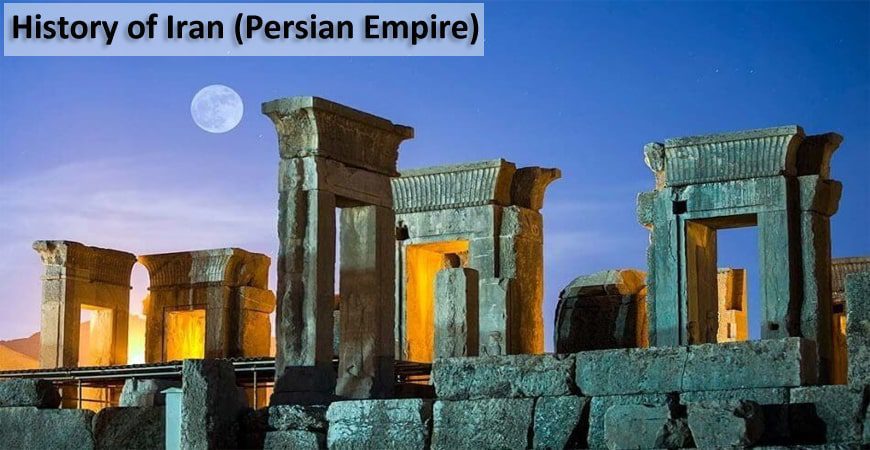
The Persian Empire: The World’s First Great Civilization
German philosopher Hegel once called the Persians the first historical nation and the Persian Empire the first true empire in human history. The story of Iran begins with the arrival of the Aryans—the people from whom Iran takes its name—on the Iranian Plateau. However, this does not mean that the region was uninhabited or lacked civilization before their arrival.
Ancient Civilizations Before the Aryans
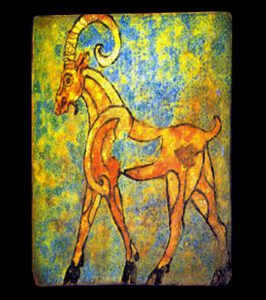
Archaeological excavations over the past 150 years have revealed that the Iranian Plateau was home to some of the world’s earliest civilizations. While the western and southern regions have been thoroughly studied, the northern and eastern parts remain less explored.
Before the Aryans, many advanced societies thrived in Iran, including:
- Shahr-e Sukhteh (The Burnt City) in Sistan and Baluchestan
- Sialk Hills Civilization in Kashan
- Elamite Civilization in northern Khuzestan
- Mannea Civilization in Kurdistan and West Azerbaijan
- Parsua and Jiroft Civilizations in Piranshahr and Kerman
- Ellipi and Lullubi Kingdoms in Kermanshah and Kurdistan
- Urartu Civilization in Azerbaijan
- And many others across Ilam, Hamedan, Mazandaran, and Semnan provinces
These ancient societies contributed to early urbanization, trade, and culture, paving the way for the rise of great empires such as the Medes and Achaemenids.
The Achaemenid Empire: Foundation of Global Governance
The Achaemenid Empire (550–330 BCE), founded by Cyrus the Great, is recognized as one of history’s most influential empires. The rulers of this dynasty traced their lineage to Achaemenes, the leader of the Pasargadae tribe.
Cyrus the Great united the Persian tribes, defeated the last Median king Astyages, and conquered Lydia and Babylon, forming a vast and diverse empire. Under his rule, and that of later kings such as Darius I and Xerxes I, the empire stretched from the Indus Valley in the east to the Nile River in Egypt, and from Libya to Central Asia.
At its height, the Achaemenid Empire governed over 49 million people—nearly half of the world’s population at the time—and included more than 30 different nations.
One of the most remarkable aspects of the empire was its policy of religious tolerance and respect for local traditions, which helped maintain stability across its vast territories.
The Sassanid Empire and the Rise of Islam
Centuries later, the Sassanid Empire (224–651 CE) became the last great Iranian dynasty before the advent of Islam. During the reign of Khosrow II (Parviz), Iran fought a prolonged war with the Roman (Byzantine) Empire from 602 to 628 CE.
Although the Sassanids initially triumphed—conquering Syria and Egypt—Emperor Heraclius’s counteroffensive led to a devastating defeat. Internal conflicts, heavy taxation, and political instability further weakened the empire.
When the Muslim Arab armies arrived, the exhausted Sassanids could no longer resist effectively. The fall of the Sassanid Empire marked the beginning of the Islamic era in Iran, ushering in profound cultural, political, and religious transformations.
Iran After the Arrival of Islam
After the Arab conquest, Iran underwent major social and cultural changes. Persian scholars, poets, and philosophers played an essential role in shaping Islamic civilization. Despite foreign domination, Persian identity, language, and art flourished—giving rise to new dynasties, from the Samanids to the Safavids, and helping preserve Iran’s unique heritage.
Learn More About Persian History
If you want to explore Iran’s fascinating history further, visit EliPersia, the largest online Persian bookstore. Discover a wide collection of books on the history, culture, and civilizations of Iran, all available for worldwide readers.

 All products

