
Persian Architecture

Iranian Architecture: History, Styles, and Distinctive Features
The history of Iranian architecture dates back to approximately the seventh millennium BC, according to archaeological studies and excavations. Over millennia, this architectural tradition has evolved, reflecting cultural, social, and environmental influences, while maintaining a unique identity that sets it apart from other architectural traditions worldwide.

Distinctive Features of Iranian Architecture
Iranian architecture is renowned for its precision, durability, and aesthetic beauty. Key features include:
- Thoughtful spatial design: Iranian buildings prioritize “space-oriented” layouts rather than purely volumetric forms, emphasizing harmony and balance.
- Structural integrity: Strong foundations, tall columns, and high porches demonstrate a focus on durability and stability.
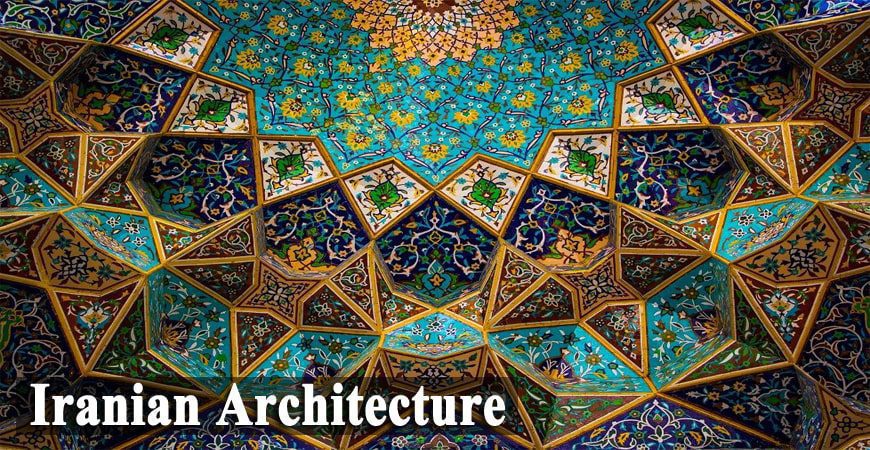
- Aesthetic elegance: Domes, arches, and ornate decorations highlight the artistic mastery of Iranian architects.
- Use of local materials: Materials sourced nearby ensured harmony with nature, quicker construction, and enhanced durability.
- Light and ventilation: Careful attention to illumination and airflow minimized darkness while optimizing comfort.
- Introversion: Many buildings, including courtyards, gardens, pavilions, and porches, reflect a cultural preference for privacy and contemplation.
Iranian architecture combines mathematical precision, mystical logic, and artistic sensibility, creating structures that are both functional and deeply symbolic.
Core Principles of Iranian Architecture
- Populism: Designs prioritize human scale, ensuring doors, windows, and storage spaces are appropriately sized for comfort.
- Avoiding futility: Every decorative element serves a purpose, such as stained glass windows providing shade and ventilation.
- Self-sufficiency: Local materials were used wherever possible, ensuring sustainability and faster construction.
- Statics and technical mastery: Structural stability and intelligent use of materials reflect advanced engineering knowledge.
- Introversion: Building layouts often promote privacy and personal space, influenced by cultural and religious beliefs.
Stylistic Periods in Iranian Architecture
Iranian architecture is traditionally divided into six major styles, each reflecting historical, cultural, and technological developments:
- Persian Style (Achaemenid period – 4th century BC):
Originating before Alexander’s invasion, this style emphasizes monumental palaces, columns, and ceremonial spaces, with notable examples including Persepolis and pre-Achaemenid sites like Chogha Zanbil Ziggurat and Zagheh Hill. - Parthian Style (3rd century BC – 3rd century AH):
Emerging after Alexander’s conquest, the Parthian style influenced architecture through the Sassanid period and early Islamic era, characterized by large halls, vaulted spaces, and arched entrances. - Khorasani Style (1st – 4th century AH):
One of the early post-Islamic styles, originating in Khorasan, this style spread to cities like Damghan and Yazd, reflecting cultural and religious changes of the time. - Razi Style (4th – 7th century AH):
Flourishing during the Ziyarid, Buwayhid, Seljuk, Atabakan, and Khwarezmshahian periods, the Razi style refined earlier architectural features, incorporating intricate brickwork, arches, and domes. - Azeri Style (7th – 9th century AH):
Developed in two phases—during the Ilkhanid period with Maragheh as the capital, and the Timurid era with Samarkand as the center—this style emphasizes rapid construction, monumental scale, and decorative richness. - Isfahani Style (10th – 12th century AH):
Although originating from earlier Azerbaijani styles, Isfahani architecture flourished in Isfahan, producing iconic landmarks such as mosques, palaces, bridges, and gardens adorned with exquisite tilework, calligraphy, and symmetrical layouts.
Conclusion
Iranian architecture represents a perfect blend of functionality, artistic expression, and cultural symbolism. From monumental Achaemenid palaces to the intricate Isfahani mosques, this architectural tradition showcases mathematical precision, aesthetic mastery, and spiritual depth. Its evolution over millennia continues to inspire architects, historians, and cultural enthusiasts worldwide.

 All products

