What Is a Persian Tar? The Soulful Voice of Persian Music

What Is a Persian Tar? The Soulful Voice of Persian Music
A Legacy That Resonates Through Centuries
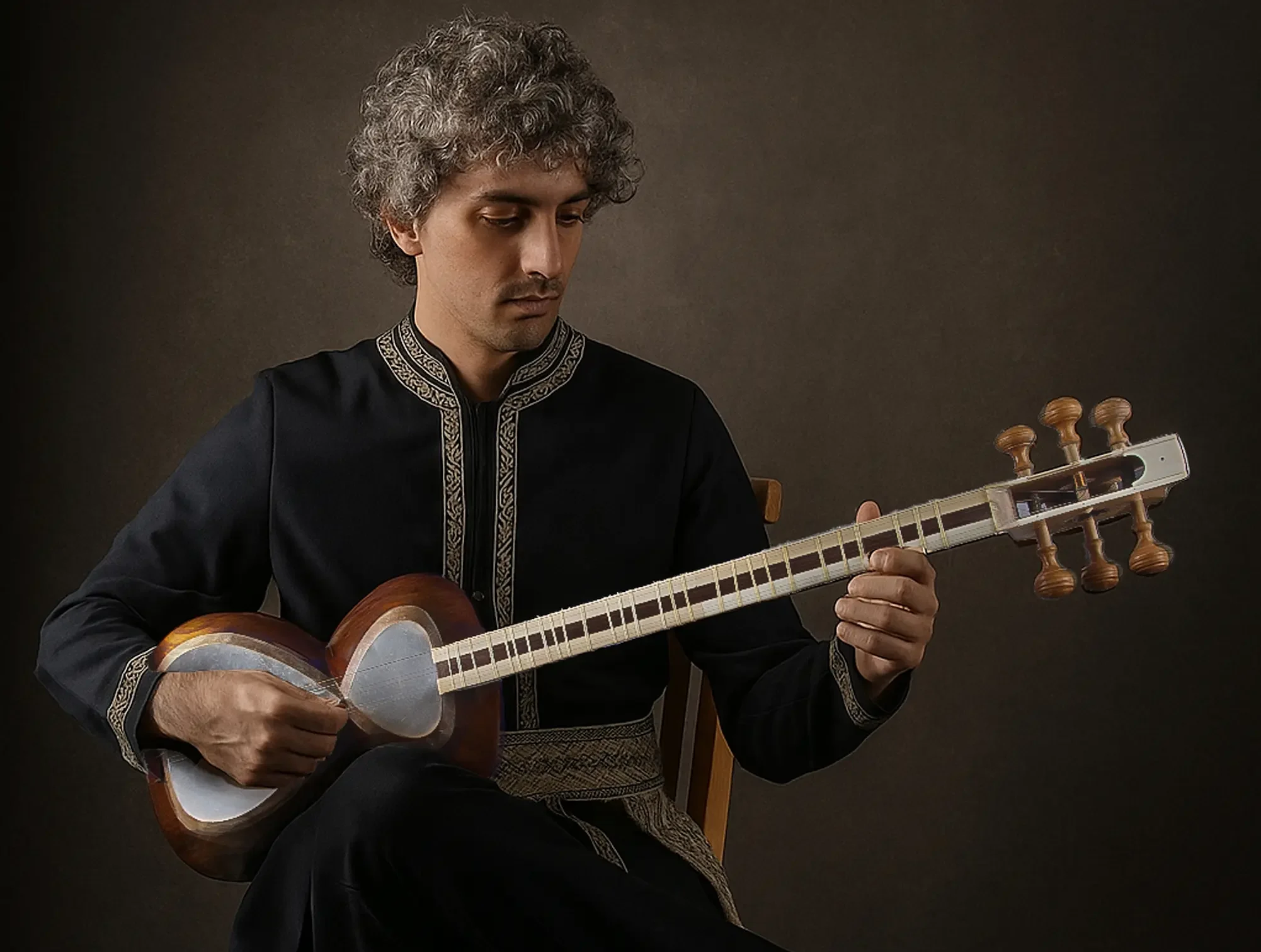
The Persian Tar is far more than just wood, strings, and craftsmanship—it is the voice of Persian emotion and spirit. For those who ask, “What is the Tar instrument?”, the answer lies not in its structure, but in its ability to touch the heart.
With its six strings, elegant double-bowl body, and expressive resonance, the Tar has long been considered one of the most powerful and poetic instruments in Persian music.
Its sound embodies both joy and sorrow, echoing centuries of art, love, and spirituality. Today, the Persian Tar remains a timeless bridge between tradition and modernity—a living symbol of the Persian soul.
The Distinctive Features of the Persian Tar
Strings That Sing with Emotion
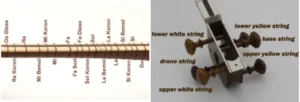
A traditional Persian Tar features six strings arranged in three double courses, typically made from steel and brass. This combination allows for a wide tonal range—steel strings bring clarity and brightness, while brass adds warmth and depth.
Professional Tar players often choose string types based on their emotional connection to the music. They believe each string can mirror the performer’s inner world—making every performance a deeply personal experience.
Tuning the Tar: The Art of Precision
Persian Tar tuning follows the system of Dastgah, the modal foundation of Persian classical music. Each note can be micro-adjusted to capture the emotional subtleties of quarter tones unique to Persian melodies.
Tuning is not simply technical—it’s spiritual. A skilled musician can tune a Tar by ear alone, feeling the vibration and resonance until each note breathes perfectly.
Frets and Pegs: Navigating Persian Melodies
Unlike guitars, the Tar’s frets are movable, tied with gut strings. This flexibility allows musicians to play microtonal Persian intervals with precision and depth. Typically, a Tar includes 22–28 frets, giving artists full control over Persian scales.
The tuning pegs, often carved from mulberry or walnut, ensure both stability and sensitivity—allowing for the nuanced adjustments that define the Persian Tar’s expressive range.
The History and Cultural Significance of the Tar
From Royal Courts to Modern Stages
The history of the Persian Tar dates back to the Safavid dynasty, reaching its artistic peak during the Qajar era. Legendary masters like Agha Hosseinqoli and Mirza Abdollah shaped the Tar’s identity, composing melodies that remain the foundation of Persian classical music today.
The Tar’s influence transcends time—it has played in royal courts, spiritual gatherings, and now concert halls around the world.
The Modern Revival of the Persian Tar
Today, the Tar continues to inspire musicians globally. Renowned artists like Hossein Alizadeh, Arshad Tahmasbi, and Dariush Talai have brought its voice to international audiences, blending tradition with contemporary creativity.
Thanks to online platforms and tutorials, learning the Persian Tar is now accessible to students worldwide—ensuring this historic instrument continues to thrive across generations.
Choosing and Buying the Best Persian Tar
Craftsmanship Matters
When looking to buy a Persian Tar, pay attention to craftsmanship, wood quality, and tonal balance. Authentic Tars are handcrafted—each with unique sound characteristics shaped by the artisan’s skill.
The best Tar makers are often part of generational family traditions in Iran, where knowledge and artistry are passed down through centuries.
Tar vs. Setar: Two Voices of Persian Heritage
If you’re wondering “Tar vs. Setar—which should I choose?”—here’s a simple guide:
- Tar has a richer, deeper sound and suits performances with orchestras or ensembles.
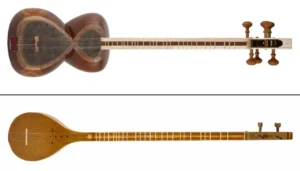
- Setar offers a softer, more intimate tone, ideal for solo practice and meditation.
Both carry the poetry of Persian heritage, but your choice depends on your playing style and emotional connection.
Why Buy Your Tar from EliPersia Collection
At EliPersia.com, we proudly offer a curated collection of authentic, handcrafted Persian Tars, built by master artisans and shipped worldwide. Each Tar is selected for its tonal quality, aesthetic beauty, and adherence to traditional techniques.
Whether you are a professional musician or a passionate beginner, EliPersia Collection provides the most trusted online destination to buy Persian Tar instruments—guaranteed authentic, expertly crafted, and ready to inspire.
Caring for Your Persian Tar
Your Tar is a living instrument that deserves care and respect:
- Store it in a hard case away from heat and humidity.
- Replace worn or rusty strings regularly.
- Wipe it gently with a soft cloth to preserve its finish.
With proper care, your Tar will age gracefully, its tone growing richer over time—just like Persian culture itself.
Conclusion: The Eternal Sound of Persian Spirit
The Persian Tar is not just a musical instrument—it is a storyteller, a vessel of emotion, and a link between the past and the present. Every pluck of its strings revives centuries of poetry, mysticism, and melody.
At EliPersia.com, you can own a piece of this living heritage. Explore our exclusive selection of handmade Persian Tars—crafted with precision, tuned with soul, and delivered to your doorstep with love from Persia.
Let the Tar be your companion on a journey into the heart of Persian music—where every note whispers history.

 All products

