Abgoosht (Dizi): Traditional Persian Stew with Natural Iron Benefits from Stone Cookware

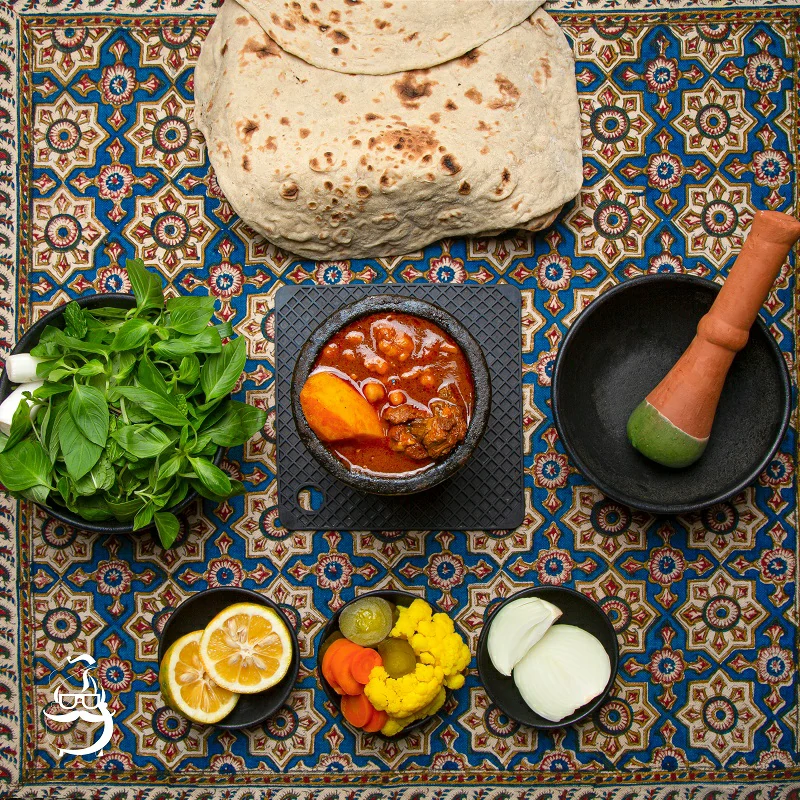
Abgoosht (Dizi): Traditional Persian Stew with Natural Iron Benefits from Stone Cookware
Abgoosht, also known as Dizi, is one of the most beloved traditional Persian dishes — a hearty, flavorful lamb stew that connects generations through taste and tradition. But beyond its irresistible aroma and rich taste, Abgoosht carries a hidden health benefit when prepared the authentic way: cooking in stone cookware. This ancient method not only enhances flavor but can also help naturally combat anemia (iron deficiency) through the gentle release of beneficial minerals into the food.
What Is Abgoosht (Dizi)?
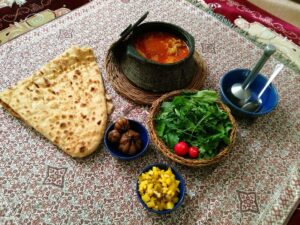
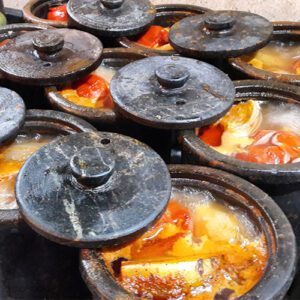
Dating back hundreds of years, Dizi is named after the small stone pots in which it was traditionally cooked and served. “Abgoosht” literally translates to “meat broth,” and it’s a wholesome stew made with lamb, chickpeas, beans, potatoes, tomatoes, and Persian spices. Originally, Iranians cooked Dizi using only lamb and chickpeas — long before tomatoes and potatoes entered Persian cuisine — but over time, new ingredients transformed it into the rich, savory meal we know today.
Cooking in Stone Pots: The Secret to Natural Healing
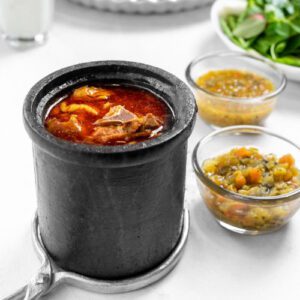
The traditional stone pot, or dizi, isn’t just a nostalgic cooking tool — it’s a natural source of bioavailable iron ions, which are essential for healthy blood production and energy. Unlike synthetic iron supplements that can harm the liver or upset digestion, the iron ions released from stone cookware are absorbed easily by the body, helping prevent or treat anemia naturally.
When you cook Abgoosht in a stone pot, the minerals released — especially iron, magnesium, and calcium — infuse into the broth, creating a deeply nourishing dish. Every spoonful helps strengthen the body, restore vitality, and improve circulation, particularly for those suffering from low energy or iron deficiency.
Traditional Preparation of Abgoosht
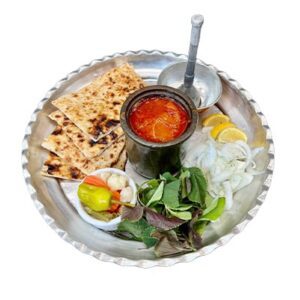
To make authentic Abgoosht, start with three lamb shanks, soaked chickpeas and white beans, onions, potatoes, tomatoes, dried limes (limoo amani), and spices like turmeric and cinnamon. Traditionally, the ingredients are slow-cooked for hours in a stone pot over gentle heat — allowing flavors and minerals to blend harmoniously.
Once cooked, the dish is served in two parts:
- The broth, enjoyed with small pieces of flatbread like sangak soaked in it.
- The solid ingredients, mashed together into a rich paste called goosht-koubideh, eaten with bread, herbs, and raw onion.
This traditional way of eating ensures that no nutrition is wasted — every part of the dish nourishes the body completely.
Why Stone Cookware Is Still Relevant Today
Modern research now supports what ancient Persians intuitively knew: stone cookware enriches food naturally. It provides essential minerals, balances pH, and avoids harmful chemicals found in metal or nonstick pans. For those seeking natural remedies for anemia or fatigue, switching to stone cookware is a simple yet powerful step.
Cooking meals like Abgoosht in a natural stone pot not only connects you to Persian culinary heritage but also supports your health by delivering real iron — the way nature intended.
Experience Tradition and Health Together
At elipersia.com, you can find authentic handcrafted stone pots made from pure natural stone — perfect for cooking Abgoosht and other Persian stews. Reconnect with ancient wisdom, boost your energy, and experience the rich taste of real Persian cooking.

 All products

