Ardabil – The Land Beneath Mount Sabalan, Where History Breathes and Legends Live

Ardabil – The Land Beneath Mount Sabalan, Where History Breathes and Legends Live
Nestled on the eastern slopes of Mount Sabalan, Ardabil is one of Iran’s most enchanting provinces — a land of healing springs, handwoven carpets, and deep-rooted spirituality. With a landscape that transitions from snow-capped peaks to fertile plains, Ardabil captures the essence of Persian heritage, nature, and artistry in perfect harmony.
Geography and Natural Beauty
Located in northwestern Iran, Ardabil Province borders the Republic of Azerbaijan to the north and east, and is surrounded by Gilan, Zanjan, and East Azerbaijan provinces. Its high elevation — averaging over 1,200 meters above sea level — gives it cool summers and snowy winters, making it an ideal destination for hiking, skiing, and hot spring tourism.
The province is rich in natural wonders:
- Sarein Hot Springs – Famous worldwide for their therapeutic mineral waters, perfect for health and relaxation.
- Neor and Shorabil Lakes – Calm retreats for nature lovers and photographers.
- Fandoghloo Forest – A lush, misty paradise blending mountain air with forest fragrance.
- Mughan Plain – Vast green fields ideal for eco-tourism and traditional pastoral life.
- Meshgin Shahr Suspension Bridge – The longest pedestrian suspension bridge in the Middle East, offering breathtaking views over deep valleys.
Each corner of Ardabil offers a new invitation — to unwind, explore, and reconnect with nature.
A Journey Through History
Ardabil has long been a crossroads of trade and culture, sitting proudly on the ancient Silk Road. Caravans once passed through its valleys carrying silk, spices, and stories from distant lands.
But Ardabil’s most celebrated legacy lies in the Safavid Dynasty — one of Persia’s most powerful royal families. The dynasty’s founder, Sheikh Safi al-Din Ardabili, was a spiritual leader whose teachings shaped Persian identity.
Sheikh Safi al-Din Ardabil Complex
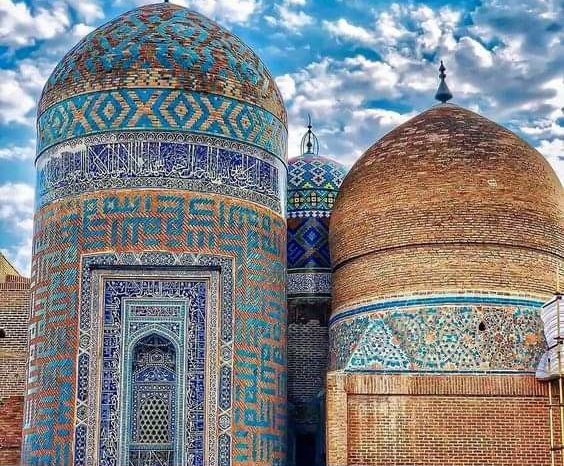
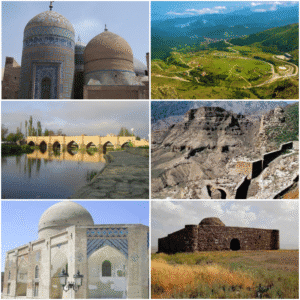
Now a UNESCO World Heritage Site, this sacred ensemble of domes, minarets, and courtyards stands as a jewel of Persian-Islamic architecture. The Porcelain House (Chinikhaneh), Jannat Sara (Garden of Paradise), and Haramkhaneh (Shrine) are adorned with turquoise tiles, intricate mosaics, and flowing calligraphy, each corner reflecting the artistic soul of the Safavid era.
People, Language, and Hospitality
With a population of around 1.3 million, Ardabil is home primarily to Azerbaijani Turks, along with Talysh, Tat, and Kurdish communities. The people are known for their hospitality, sincerity, and deep connection to nature.
Visitors are often greeted with warm smiles and cups of aromatic tea, reflecting the province’s enduring traditions of kindness and respect.
Handicrafts: Art Woven Through Time
Ardabil is one of Iran’s most celebrated centers of traditional handicrafts, producing world-renowned masterpieces admired for both artistry and craftsmanship.
The Legendary Ardabil Carpet
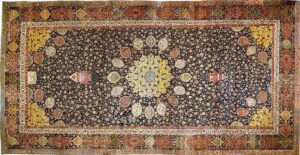
Perhaps the most famous Persian carpet in history, the 16th-century Ardabil Carpet, now preserved at the Victoria and Albert Museum in London, remains a symbol of perfection in Persian weaving. Modern artisans in Ardabil continue this proud legacy, creating breathtaking rugs that blend history, geometry, and soul.
Other Notable Handicrafts
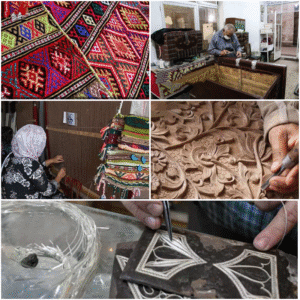
- Wood Inlay and Carving (Moarraq & Monabbat): Elegant decorative panels and boxes with intricate designs.
- Filigree Work (Malileh-kari): Fine silver and gold jewelry, handcrafted into delicate patterns.
- Leatherwork (Seraji): Saddles and accessories inspired by nomadic culture.
- Saddlebag Weaving (Khorjin-bafi): Durable, beautifully patterned travel bags.
- Woolen Rug Weaving (Pelas-bafi): Simple yet durable traditional rugs known for warmth and rustic beauty.
Many of these authentic works are available worldwide through EliPersia.com — the leading online gallery for handcrafted Persian art and home décor, offering guaranteed international delivery.
Traditional Music of Ardabil
The soul of Ardabil resonates through its folk music. Artisans craft instruments like the Kamancheh, Santur, and Setar, often decorated with fine woodwork and local motifs. These instruments are not just tools — they’re voices of the land, echoing through festivals and family gatherings with melodies that carry centuries of emotion.
Cuisine of Ardabil: Flavors of Warmth and Tradition
Ardabil’s cuisine is as rich as its culture, offering a delicious reflection of local agriculture and hospitality.
Popular Traditional Dishes
- Ash-e Doogh: A tangy yogurt soup with herbs, rice, and legumes — both refreshing and nourishing.
- Koofteh Ardabili: Giant stuffed meatballs filled with plums, walnuts, or eggs, simmered in a flavorful tomato-herb sauce.
- Dolmeh Barg-e Mo: Grape leaves filled with rice, herbs, and spices, offering a sweet-sour symphony of flavors.
Local Sweets
- Black Halva Ardabil: A hearty winter delicacy made from roasted flour, animal fat, and local herbs, cherished for its energy and warmth.
You can now taste the authentic Black Halva Ardabil and other local treats through EliPersia.com — bringing Ardabil’s unique flavors right to your doorstep.
Historic Attractions Worth Visiting
- Sheikh Safi al-Din Ardabil Complex – A timeless spiritual and artistic marvel (UNESCO-listed).
- Ardabil Bazaar – A living museum of trade and tradition, filled with carpets, spices, and stories.
- Meshgin Shahr Suspension Bridge – A thrilling experience high above nature’s canvas.
- Ghahghah Castle – Echoes of medieval fortresses and royal intrigue.
- Shah Abbasi Caravanserai (Nir) – A Safavid-era resting place for Silk Road travelers.
- Haft-Cheshmeh Bridge – A stone bridge from the Safavid period still standing strong.
Conclusion: Ardabil – Where Nature Meets Legacy
From the snowy summit of Mount Sabalan to the tranquil waters of Sarein Hot Springs, and from the artistic splendor of the Sheikh Safi Complex to the vibrant bazaars filled with handwoven carpets, Ardabil is a province of endless wonder.
It’s a destination where art, spirituality, and nature coexist — a living testament to Persian resilience and creativity.
To bring a piece of Ardabil’s soul into your home — from handcrafted carpets and traditional silverwork to authentic Black Halva — visit EliPersia.com. Discover, connect, and own a part of Persian history that never fades.

 All products

