Carpet or Rug: What’s the Real Difference?

Understanding the Key Differences Between Carpets and Rugs
The Cultural Essence of Carpets in Iran
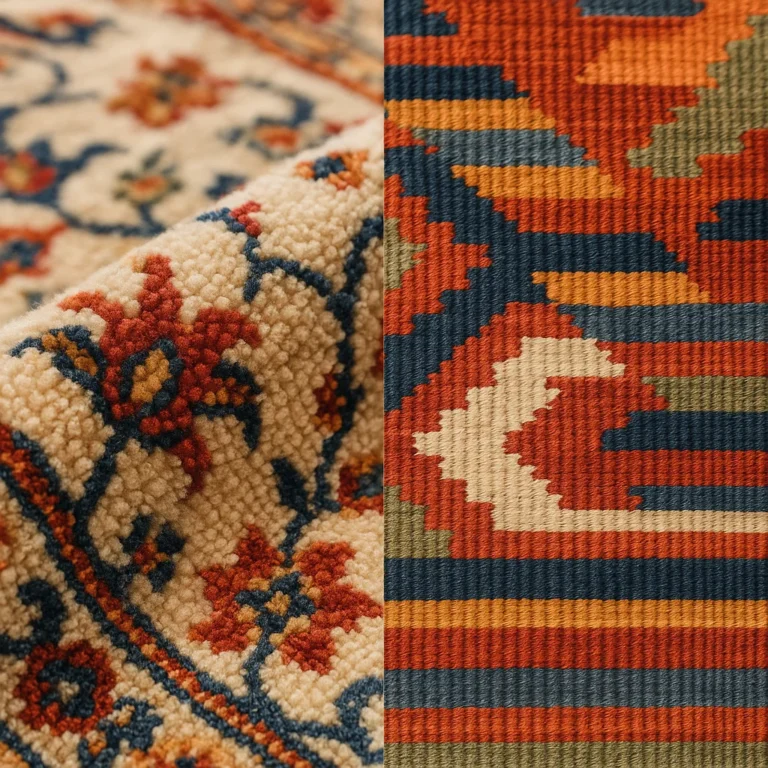
In Iranian culture, carpets are more than just floor coverings — they are living works of art. Traditionally large, richly textured, and meticulously handwoven, carpets embody generations of craftsmanship and cultural heritage. Each piece is created using the warp, weft, and pile technique, giving it remarkable depth, softness, and durability.
The pile, formed from thousands of tiny knots, not only adds texture but also ensures the carpet’s longevity. Every Persian carpet tells a story through its intricate motifs and symbolic patterns, making it a timeless representation of artistry and identity. Crafting a single handmade carpet can take months or even years, reflecting the patience, skill, and dedication of the artisan.
Rugs: Simple, Stylish, and Functional
Rugs, in contrast, are generally smaller, simpler, and more accessible. While they share similarities with carpets, rugs often skip one or more structural elements such as a thick pile or full traditional weaving. Their designs tend to be modern or casual, focusing more on practicality and décor than on heritage.
Rugs are perfect for adding warmth and style to smaller spaces without the cost, time, or permanence associated with traditional carpets. They can easily be moved, replaced, or layered to complement different interior styles.
Value and Prestige
In Iran, owning a handmade carpet is a mark of prestige and refined taste. Carpets are cherished family heirlooms, often passed down through generations as symbols of prosperity and culture.
Rugs, though beautiful and useful, are typically seen as everyday decorative items rather than cultural treasures. They bring comfort and character to modern homes but do not carry the same level of emotional or artistic value.
Usage and Placement
Carpets are usually permanently installed in living rooms, dining areas, or prayer spaces, serving as the centerpiece of interior design. Rugs, however, offer flexibility and mobility — they can be moved from room to room, layered over larger carpets, or placed in entryways, bedrooms, and offices. This versatility makes rugs ideal for those who enjoy refreshing their home décor frequently.
Carpets vs. Rugs: A Quick Comparison
| Feature | Carpet | Rug |
|---|---|---|
| Cultural Significance | Extremely high; a symbol of heritage and prestige | Moderate; decorative and functional |
| Size | Large; often covers entire rooms | Small to medium; easy to move |
| Structure | Full weaving with warp, weft, and pile | Often simpler; may lack pile |
| Production Time | Long and labor-intensive | Shorter and faster to make |
| Durability | Extremely durable; lasts generations | Less durable; for lighter or temporary use |
| Value | High monetary and emotional value | Affordable and practical |
| Placement | Permanent in key living areas | Flexible; ideal for smaller or temporary spaces |
Summary
Both carpets and rugs enhance the beauty and comfort of your home, but they serve different purposes. Carpets represent luxury, tradition, and endurance, while rugs embody practicality, versatility, and modern style.
Understanding these distinctions helps you choose the perfect floor covering that aligns with your décor, lifestyle, and cultural appreciation.

 All products

