
Darius the Great Persian King

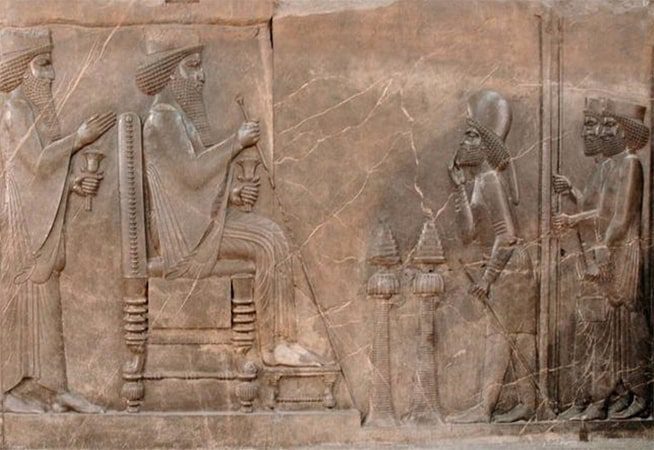
Darius the Great: The Fourth Emperor of the Achaemenid Empire
Darius I, also known as Darius the Great, was the fourth emperor of the Achaemenid Empire. Son of Vishtasp, husband of Atossa, and son-in-law of Cyrus the Great, Darius ascended to the throne in 522 BCE with the support of elders from seven Persian aristocratic families, defeating Gaumat the Magian and suppressing internal revolts. His reign strengthened imperial rule and expanded the empire’s territories. Notably, the construction of Persepolis (Parseh) began during his rule.
Major Achievements of Darius the Great
- Infrastructure and Engineering:
Darius initiated ambitious projects, including the construction of a waterway connecting the Red Sea to the Nile and the Mediterranean Sea. He also divided the lands of Iran into provinces, appointing governors to maintain order and collect taxes efficiently. - Royal Roads and Communication:
To improve governance and trade, Darius built the Royal Road, connecting Sardis in Lydia to Susa, the Achaemenid capital. Another important route linked Babylon to Egypt, facilitating communication across the vast empire. - Military Organization:
Darius established the elite Immortals Army, a unit of 10,000 soldiers whose numbers were meticulously maintained. This army ensured rapid deployment across the empire and symbolized the Achaemenid military’s power.
Challenges and Rebellions
During his reign, Darius faced multiple provincial uprisings. From Elam to Persia, rebels attempted to claim power, including a pretender named Berdia, son of Cyrus. The lack of coordination among the rebels allowed Darius to successfully suppress these revolts in 19 battles.
Campaigns and Final Years
After learning of Persia’s defeat at the Battle of Marathon, Darius prepared an expedition against the Greek states under Datis, which took three years to organize. Meanwhile, a revolt in Egypt weakened his health, limiting his ability to command future campaigns. Darius died in October 486 BCE and was buried in a rock-cut tomb at Naqsh-e Rostam in Marvdasht, Fars, near Shiraz.
He was succeeded by his eldest son, Xerxes I, who became one of the most powerful Achaemenid emperors.
Legacy of Darius the Great
Darius I is remembered as a visionary ruler who expanded Persia, organized its administration, and implemented monumental construction projects that showcased Persian ingenuity and governance. His leadership and reforms left an enduring legacy that influenced subsequent empires and shaped world history.
Explore More Persian History
For more stories about the Achaemenid Empire and Persian history, visit the Historical Books section on the EliPersia website, where you can find detailed books about Darius the Great and other prominent Persian rulers.

 All products

