
Naqsh-e Jahan Square

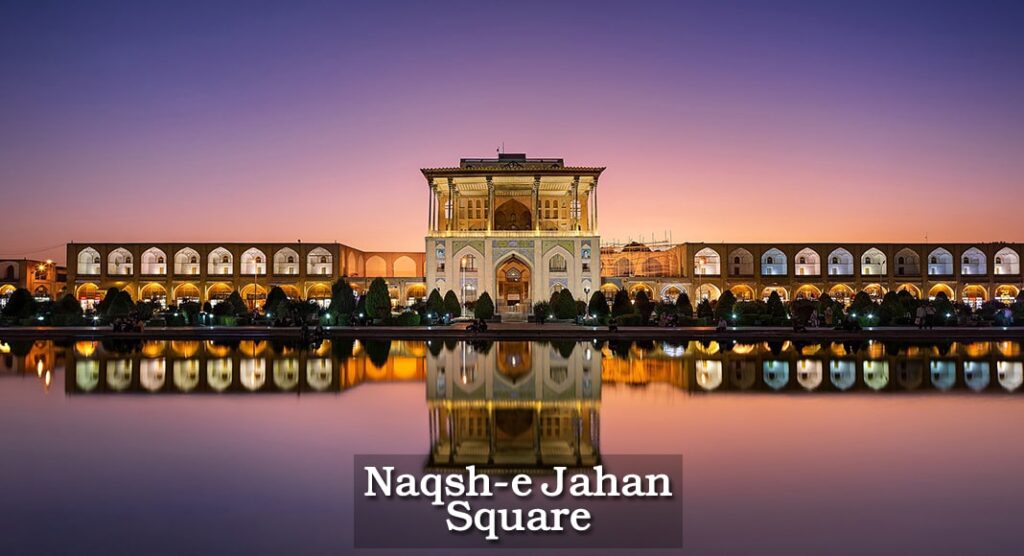
Naghsh Jahan Square: The Heart of Isfahan’s Historical Splendor
Naghsh Jahan Square, historically known as Shah Square and officially renamed Imam Square after the Iranian Revolution of 1978, is the central square of Isfahan and a masterpiece of Safavid urban planning. Located at the heart of Isfahan’s historical complex, it was inscribed on the UNESCO World Heritage List in May 1979 and registered among Iran’s national monuments on February 29, 1980 (number 102).
Historical Monuments Surrounding Naghsh Jahan Square
The square is framed by four iconic structures:
- Ali Qapu Palace – the majestic gateway and former royal palace
- Shah Mosque (Imam Mosque) – a pinnacle of Persian-Islamic architecture
- Sheikh Lotfollah Mosque – renowned for its intricate tile work and dome
- Qeysarieh Gate – the main entrance to the vibrant Isfahan Bazaar
In addition, two hundred two-story rooms encircle the square, historically serving as workshops and shops for traditional Isfahan handicrafts, making it both a cultural and commercial hub.
Before the Safavid era, the area was a large garden called Naghsh Jahan Garden. During the reign of Shah Abbas II, due to overcrowding in the surrounding bazaar, it was decided to create a new square near the old Shah Square. The old mansion in the garden was demolished, and its materials were used in constructing the new square, which inherited the name Naghsh Jahan Square.
Historical Significance and Cultural Legacy
Over the centuries, Naghsh Jahan Square has been the center of political, cultural, and social life in Isfahan. Foreign ambassadors, dignitaries, and citizens from around the world have visited the square, witnessing historical ceremonies, diplomatic meetings, and public events. Its grandeur has long been described by travelers and historians, highlighting its importance as a symbol of Safavid splendor.
Dimensions and Layout
Naghsh Jahan Square is a rectangular plaza, measuring 560 meters in length and 160 meters in width (approximately 1,837 by 525 feet). Prior to Isfahan becoming the Safavid capital, the site hosted government buildings and palaces of the Timurid rulers and Aghquyunlu dynasty, along with the Naghsh Jahan Garden. The western section of the square, known today as the site of Ali Qapu Palace, was historically called “Dar Kooshak”.
Why Visit Naghsh Jahan Square
Visiting Naghsh Jahan Square offers a glimpse into the art, architecture, and urban planning of Safavid Iran. From its stunning mosques and palaces to the lively bazaar and traditional workshops, the square reflects centuries of Persian culture and history. It remains one of Isfahan’s must-see attractions, captivating tourists with its grandeur, symmetry, and vibrant heritage.

 All products

