
Safavid Empire: The Rise of Persia’s Golden Dynasty

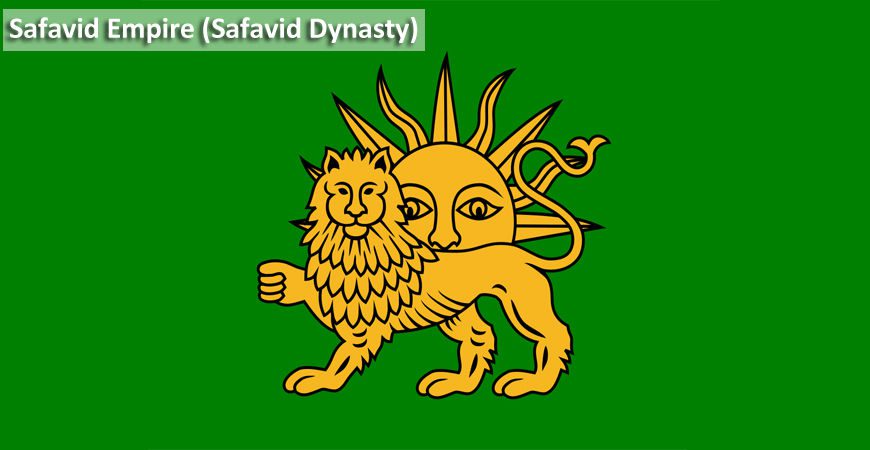
Safavid Empire: Persia’s Golden Era of Culture, Politics, and Religion
The Safavid Empire, also called the Safavid Dynasty, stands as one of the most influential periods in Persian history. Lasting over two centuries, it shaped Iran’s political structure, cultural identity, and religious landscape. Founded in the early 16th century by Shah Ismail I, the empire unified fragmented Persian lands and established Twelver Shi’a Islam as the state religion—a legacy that continues to define modern Iran.
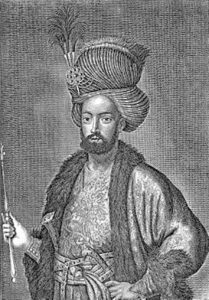
Origins and Rise to Power
The Safavid family originated in Ardabil, northwestern Iran. Initially leaders of a Sufi religious order, they gradually transformed into a political dynasty. In 1501, Shah Ismail I declared himself Shah of Persia, launching a campaign to consolidate power across the region. Despite internal rivalries and external threats from the Ottoman Empire and Uzbek forces, the Safavids successfully built a centralized state that endured for centuries.
Political and Military Achievements
The Safavid Empire was notable for its strong military and administrative systems. The Qizilbash, a loyal tribal militia, served as the backbone of the army, helping defend borders and expand territory. Under Shah Abbas I, also known as Abbas the Great, the empire reached its political and territorial peak, with the capital city of Isfahan emerging as a symbol of Persian sophistication and architectural brilliance.
Cultural Flourishing
The Safavid era was a golden age of art, architecture, and literature. Isfahan, famously described as “Half the World”, boasted stunning mosques, palaces, and bridges adorned with intricate tilework, calligraphy, and decorative arts. The dynasty encouraged the production of Persian carpets, miniature paintings, and luxury crafts, leaving an artistic heritage celebrated worldwide. Persian culture flourished, blending traditional motifs with new artistic innovations.
Religious Transformation
A defining achievement of the Safavids was the establishment of Twelver Shi’ism as the state religion, distinguishing Persia from its Sunni neighbors and creating a unique religious identity. Religious scholars and institutions received state support, while Sunni practices were gradually marginalized. This transformation solidified Shi’a Islam as a core element of Persian society, politics, and culture.
Decline and Enduring Legacy
Despite its strengths, the Safavid Empire eventually declined due to internal conflicts, weak leadership, and external pressures from the Ottomans and Afghan invasions. By the early 18th century, the empire had weakened significantly, culminating in its fall to Afghan forces in 1722. Nevertheless, the Safavid legacy persisted, influencing Persian art, culture, religion, and architecture for generations.
Conclusion
The Safavid Empire remains one of the most remarkable dynasties in world history. Renowned for its political innovation, cultural achievements, and religious reforms, it transformed Persia into a unified Shi’a state and left an indelible mark on Persian identity. Its golden era continues to inspire scholars, historians, and art enthusiasts worldwide.

 All products

