Top Contemporary Iranian Poets

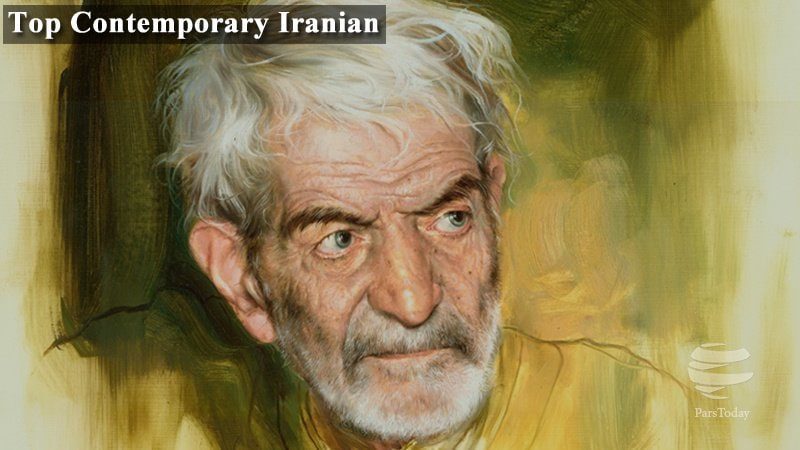
Top Contemporary Iranian Poets: Masters of Modern Persian Poetry
Poetry is the art of expressing feelings through words, using rhythm, rhyme, and imagery to convey what ordinary language often cannot. Iranian poets, from tradition to modernity, have elevated poetry into a profound medium of emotion, philosophy, and cultural identity. Here are some of the most influential contemporary Iranian poets who have shaped modern Persian literature.
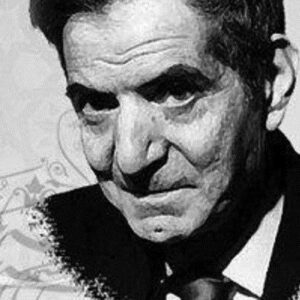
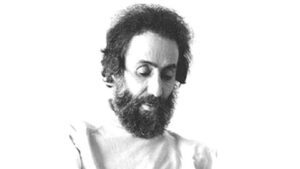
Sohrab Sepehri (1928–1980)
Sohrab Sepehri, born in Kashan, was not only a poet but also a painter. Renowned for his contemplative and nature-inspired works, Sepehri began with the Nimai style but later developed his unique perspective, focusing on humanity and the natural world, exemplified in his collection “Green Volume.” His famous poems include Sedaye Paye Ab, Mosafer, and Sharghe Andoh, which have been translated into multiple languages.
Parvin E’tesami (1907–1941)
Parvin E’tesami, born in Tabriz, is considered the most prominent female poet in Iran. Fluent in Persian, English, and Arabic, she started her poetic journey under the guidance of literary figures such as Dehkhoda and Malek al-Shoara Bahar. Parvin’s only collection contains 606 poems, reflecting her deep insight into social issues and moral values.
Mohammad-Taqi Bahar (Malek al-Shoara) (1886–1951)
Mohammad-Taqi Bahar, also known as Malek al-Shoara, was a poet, writer, journalist, and politician. He is considered one of Iran’s greatest literary figures after Jami. His notable works include The System of Four Sermons, Stylistics, Poetry in Iran, and his poetry collections, blending classical Persian literature with contemporary themes.
Mehdi Akhavan Sales (1928–1990)
Mehdi Akhavan Sales, also known as M. Omid, was a poet from Mashhad whose works are often considered socio-epic. Combining classical forms with modern sensibilities, his collections—such as Arghanoon, Winter, The End of Shahnameh, Az in Avesta, Manzoomeh, and Hell But Cold—offer profound reflections on society and human experience.
Nima Yooshij (1896–1960)
Nima Yooshij, born Ali Esfandiari in Yosh, Mazandaran, is hailed as the father of modern Persian poetry. He revolutionized traditional poetry, creating a new poetic style that broke classical constraints. Nima’s works inspired generations of poets and laid the foundation for contemporary Iranian literature.
Ahmad Shamloo (1925–2000)
Ahmad Shamloo was a poet, journalist, and translator who pioneered white poetry, also called Shamlooei poetry. Influenced by Nima Yooshij, Shamloo’s poems explore social issues, love, and human freedom, blending lyrical beauty with profound insight.
Forough Farrokhzad (1935–1967)
Forough Farrokhzad, a groundbreaking female poet, expressed bold and modern perspectives on love, society, and individuality. Born in Tehran, her work has been translated worldwide. Despite her short life, her poetic contributions rank among the most influential in modern Persian literature.
Hushang Ebtehaj (1927–2022)
Amir Houshang Ebtehaj, born in Rasht, began his career with Nimai poems but later focused on lyrical poetry. Early love experiences inspired much of his work. Ebtehaj’s first published songs in 1946 reflect his deep engagement with Persian musicality and lyricism.
Mohammad-Hossein Shahriar (1906–1988)
Seyyed Mohammad-Hossein Behjat Tabrizi, known as Shahriar, wrote in both Persian and Azerbaijani Turkish. His most famous works include Ali ey Homay-e-Rahmat and Amadi Janam Be Ghorbanat (Persian) and Haidar Babaei Salam (Azerbaijani Turkish). Born in Khoshgnab, Iranian Azerbaijan, Shahriar’s poetry combines lyrical elegance with cultural depth, making him a revered figure in Iranian literature.
Conclusion
Contemporary Iranian poets have transformed Persian literature, combining classical elegance with modern innovation. From Sohrab Sepehri’s philosophical reflections to Forough Farrokhzad’s bold voice, these poets continue to inspire readers, preserving the rich cultural and artistic heritage of Iran.

 All products

